


A single university burns through electricity like a small city. High schools power thousands of computers, blast AC through huge gyms, heat sprawling hallways. Even elementary schools need massive amounts of power. Think smart boards in every classroom, industrial freezers in cafeterias, LED screens in libraries. Energy costs chew up more money each year. The electrical systems? They’re dying. Schools thrown up during the Nixon years never imagined Wi-Fi routers in every room. Their fuse boxes are failing. Overloaded circuits trigger breakers.
The Hidden Cost of Old Systems
Pull back the drop ceiling tiles in most schools and you’ll find a mess. Wires from 1975 snake through walls, barely handling half of what teachers need. That ancient transformer humming behind the gym? It’s converting thirty percent of its power into waste heat. Money evaporating into thin air.
Here’s what really hurts: emergency fixes. A main panel died during finals week. Administrators call electricians who smell desperation and charge accordingly. Classes move to the gym. Parents complain. The emergency repair bill could have bought new computers for two classrooms. Some schools run heating and cooling at the same time because their 1980s control systems can’t talk to each other. One side of the building freezes while the other roasts. Janitors run between thermostats all day. They fight a war that they can’t win.
Smart Upgrades That Pay for Themselves
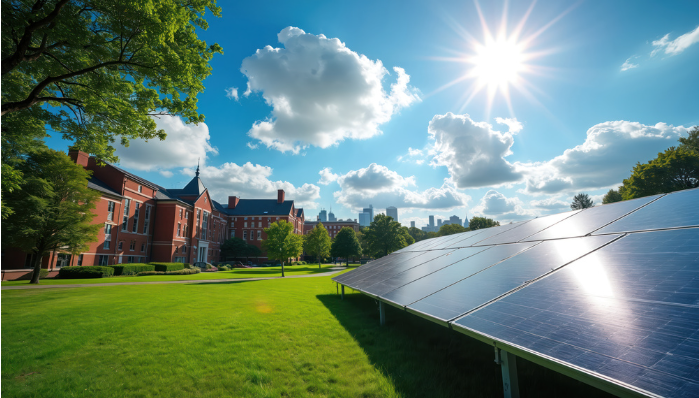
Watch what happens when schools install LED bulbs. Electric bills drop 75%. The new lights last six times longer than those flickering fluorescents. Motion sensors kill lights in empty rooms. No more lit hallways at midnight. Rooftop solar changes the whole game. Free electricity flows during school hours when demand peaks. Batteries bank extra juice for basketball games and evening concerts. Smart thermostats learn. They know nobody’s around on Sundays, so they dial back the heat. They pre-cool buildings on hot mornings before electricity rates spike. Maintenance guys check everything from their phones, spotting failing equipment days before it breaks.
Planning for Tomorrow’s Technology
The power demands coming down the pike look scary. Every kid carrying a laptop means hundreds of devices charging daily. VR headsets for chemistry class? Those things are power hogs. Electric school buses? Each one needs the electrical equivalent of adding ten houses to the grid. Smart schools lay conduits now, even if they won’t use it for years. Empty pipes today, fiber optic cables tomorrow. They buy electrical panels with twice the capacity they currently need. Seems like overkill until three years later when it’s exactly right.
Institutions seeking comprehensive energy solutions work with specialized firms like Commonwealth.com who map out ten-year plans that make sense. These experts calculate what schools really need versus what salespeople claim they need. They phase projects to match budget realities, preventing those wallet-crushing emergency repairs.
Starting the Transformation
No school replaces everything at once. Baby steps work better. Year one: swap out lights, get instant savings. Year two: fix the HVAC disaster, watch comfort improve and bills shrink. Year three: add solar panels using money saved from the first two years. Money’s out there for schools willing to look. Federal grants for efficiency upgrades. State programs for renewable energy. Utility rebates that cover half the cost of new equipment.
Conclusion
Schools fixing their infrastructure today dodge tomorrow’s disasters. Students learn better when rooms stay comfortable. The institutions moving now won’t scramble later. They’re creating electrical systems ready for flying cars or whatever else shows up. They focus on teaching while other schools panic about keeping lights on. Despite the clear choice, many schools continue to take a chance on old systems, hoping they last. Hope isn’t a strategy when the power goes out during standardized testing.